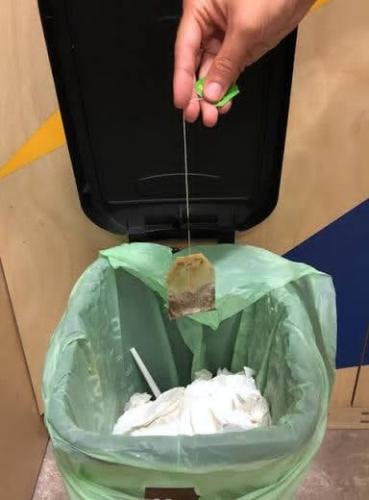
For millions of people, brewing a cup of tea is a comforting daily ritual. But few realize that what seems like a simple paper tea bag may actually contain plastic. From traditional paper sachets to silky pyramid-shaped bags, many commercially available tea bags are made with petroleum-based plastics that can linger in the environment for centuries after they are thrown away.
As awareness grows about plastic pollution and waste management, environmental advocates are urging consumers to look more closely at what goes into their favorite brew—and where it ends up afterward.
Many conventional tea bags contain polypropylene, a thermoplastic used to seal the paper so it remains intact when immersed in hot water. Premium pyramid tea bags are often made from nylon or polyethylene terephthalate (PET), both petroleum-derived plastics. Even some products marketed as "plant-based" or "biodegradable" use polylactic acid (PLA), a bioplastic that requires industrial composting conditions to break down effectively and often persists in ordinary soil and landfills.
Once discarded, the tea leaves inside the bag decompose naturally within weeks. The plastic, however, does not.
Instead, it slowly fragments into microscopic particles known as microplastics, which can remain in the environment for hundreds of years. Unlike organic waste, these plastic particles never truly disappear. They simply become smaller, spreading through soil, waterways, and eventually the food chain.
The environmental consequences extend well beyond landfills.
Municipal waste systems in many communities struggle to manage increasing volumes of single-use plastics. Tea bags may seem insignificant individually, but billions are discarded globally each year. As plastic waste accumulates in dumpsites and poorly managed disposal areas, lightweight packaging materials—including tea bags—can be carried by wind and rain into drainage systems, creeks, rivers, and coastal waters.
In countries that frequently experience heavy rainfall, including the Philippines, improperly disposed plastic waste contributes to clogged drainage canals and waterways. While plastic tea bags alone are not responsible for flooding, they add to the growing volume of non-biodegradable waste that blocks water flow when mixed with other plastic litter such as sachets, wrappers, and bags. During storms, these blockages can worsen localized flooding by preventing efficient drainage.
Landfills also present another challenge. As plastics degrade over decades, they release tiny fragments that can migrate into surrounding soil and groundwater. Scientists continue to study the long-term effects of microplastics, but growing evidence suggests these particles can alter soil quality, affect beneficial microorganisms, and potentially transport harmful chemical additives into the environment.
Wildlife is also at risk.
Birds, fish, turtles, and other animals often mistake microplastics for food. Once ingested, these particles can accumulate in their digestive systems, reducing nutrient absorption and causing injury or death. Because smaller organisms consume microplastics and are later eaten by larger predators, plastic contamination can move through entire ecosystems and eventually reach seafood consumed by humans.
Plastic tea bags may also pose concerns before they are even discarded.
Research has shown that steeping certain plastic tea bags in hot water at around 95 degrees Celsius can release approximately 11.6 billion microplastic particles and 3.1 billion nanoplastic particles into a single cup of tea. Although scientists are still investigating the long-term health implications, the findings have intensified calls for greater transparency in tea packaging and the reduction of unnecessary plastics in food products.
Consumers who wish to reduce both environmental and potential health impacts have several practical alternatives.
One of the simplest options is switching to loose-leaf tea, which eliminates disposable tea bags altogether. Using a reusable tea infuser or stainless-steel strainer produces little waste while often providing a fuller, richer flavor because loose leaves typically contain larger, higher-quality tea pieces rather than finely ground tea dust.
Another option is choosing brands that use plastic-free, compostable tea bags made entirely from natural plant fibers without polypropylene seals or synthetic mesh. Checking product labels and company sustainability commitments can help consumers identify genuinely plastic-free products.
Small daily choices can collectively make a significant environmental difference. As awareness of hidden plastics continues to grow, something as simple as changing the way we prepare our daily cup of tea can help reduce landfill waste, limit microplastic pollution, protect waterways, and contribute to healthier ecosystems for future generations.